Which Window Frame Materials Hold Up Best in Inland Valley Heat
The tick and pop of a frame cooling off after a hot afternoon is the sound of material moving. Every failed seal pulled out on jobs that window installers san bernardino cowboy santas has logged shows the same thing, the frame moved more than the glass held. In San Bernardino, CA, a west wall can take direct sun for six hours straight, so the frame material deserves as much attention as the glass, and any window replacement starts with that choice.
Vinyl on a sun-baked wall
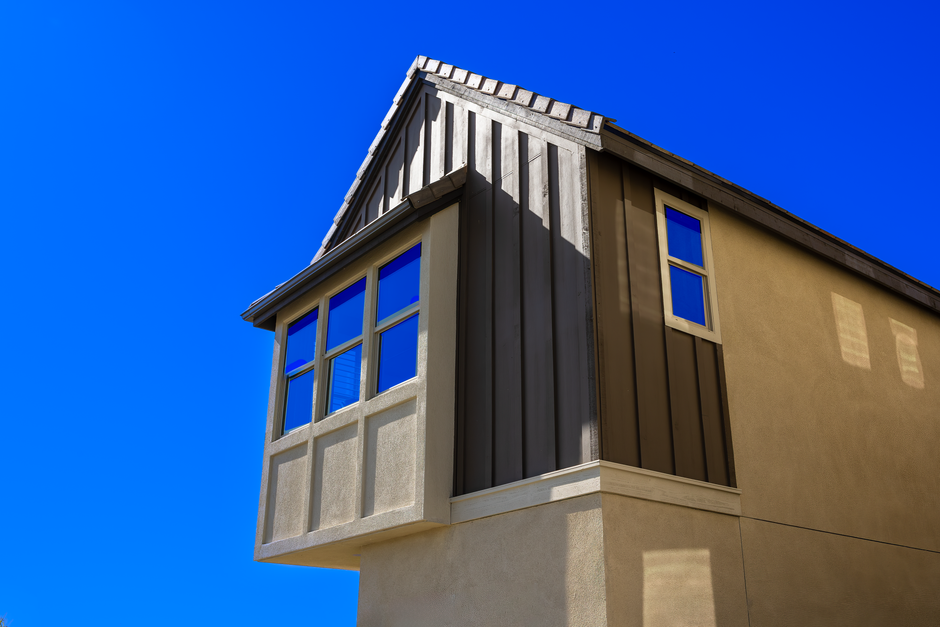
A vinyl window expands and contracts more with temperature swings than fiberglass does. On a shaded north wall that movement is minor. On a west wall it cycles hard every day, and over years it works at corner welds, weatherstripping and the bond to the glass. Dark colors absorb more solar heat than light ones, which is why some vinyl products limit dark colors. A light, well-fitted vinyl frame can serve for a long time, but no frame material is free of upkeep. Seals and hardware still get checked.
Fiberglass and the glass seal
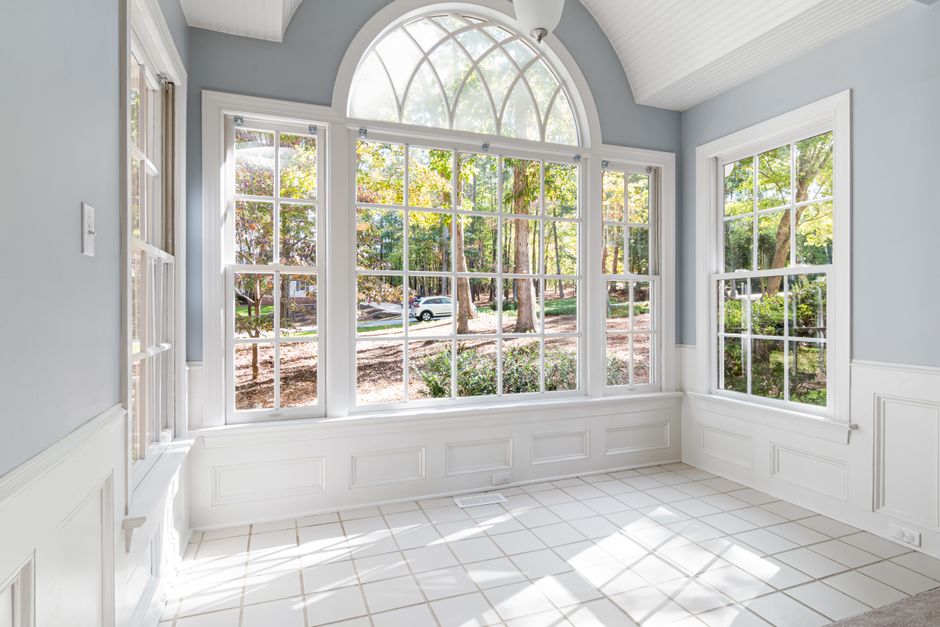
A fiberglass window expands at a rate close to that of glass. The frame and the pane grow and shrink together, so the seal between them sees less stress. That matters most on slider and casement units with large sashes, where a lot of glass hangs off the frame. Fiberglass still needs its finish inspected and its sealant checked as it ages.
Aluminum and the thermal break
Aluminum conducts heat readily. An aluminum window with no break passes heat through the frame almost as easily as through open air. Frames for homes generally include a thermal break, a strip of low-conductivity material between the inside and outside metal. Even with the break, aluminum does not always insulate as well as vinyl or fiberglass. Single aluminum sliders still turn up on older homes around Redlands and Loma Linda, and they are usually the first units worth replacing.
Wood and clad frames
A wood window insulates well, but dry sun is hard on it. Paint or finish has to be kept up, or the surface dries, checks and cracks, and water follows the cracks in. A clad window puts aluminum or another weather skin over the wood on the outside, which cuts the repainting on the exposed face. The interior still has to be watched. In San Bernardino County, where summers are dry and bright, a neglected sill shows its age fast.
Reading the glass numbers
Low emissivity coatings reflect infrared heat and let visible light through, which helps keep summer heat out. Solar Heat Gain Coefficient measures how much solar heat passes through the window, and a lower number lets less in. U factor measures how readily the window conducts heat, and a lower number means better insulation. Double pane insulated glass alone does not stop heat gain. Two plain panes still pass solar heat, so the coating and the frame decide the result along with the pane count. For a hot wall, compare the SHGC first, then the U factor, then the frame.